
Seymour Narrows Tour
Experience Seymour Narrows' world-famous tidal currents with our Campbell River, BC boat tour. Navigate one of Vancouver Island's most powerful natural passages, witness the historic Ripple Rock explosion site, and explore where currents reach 16 knots through Discovery Passage.
Book This TourWhy is Seymour Narrows famous?
Located between Campbell River and Quadra Island, Seymour Narrows is one of the world's most famous tidal passages, with currents reaching up to 16 knots. In 1958, the underwater Ripple Rock was destroyed in the largest non-nuclear explosion ever detonated, making the passage safer for ships navigating this critical BC waterway.
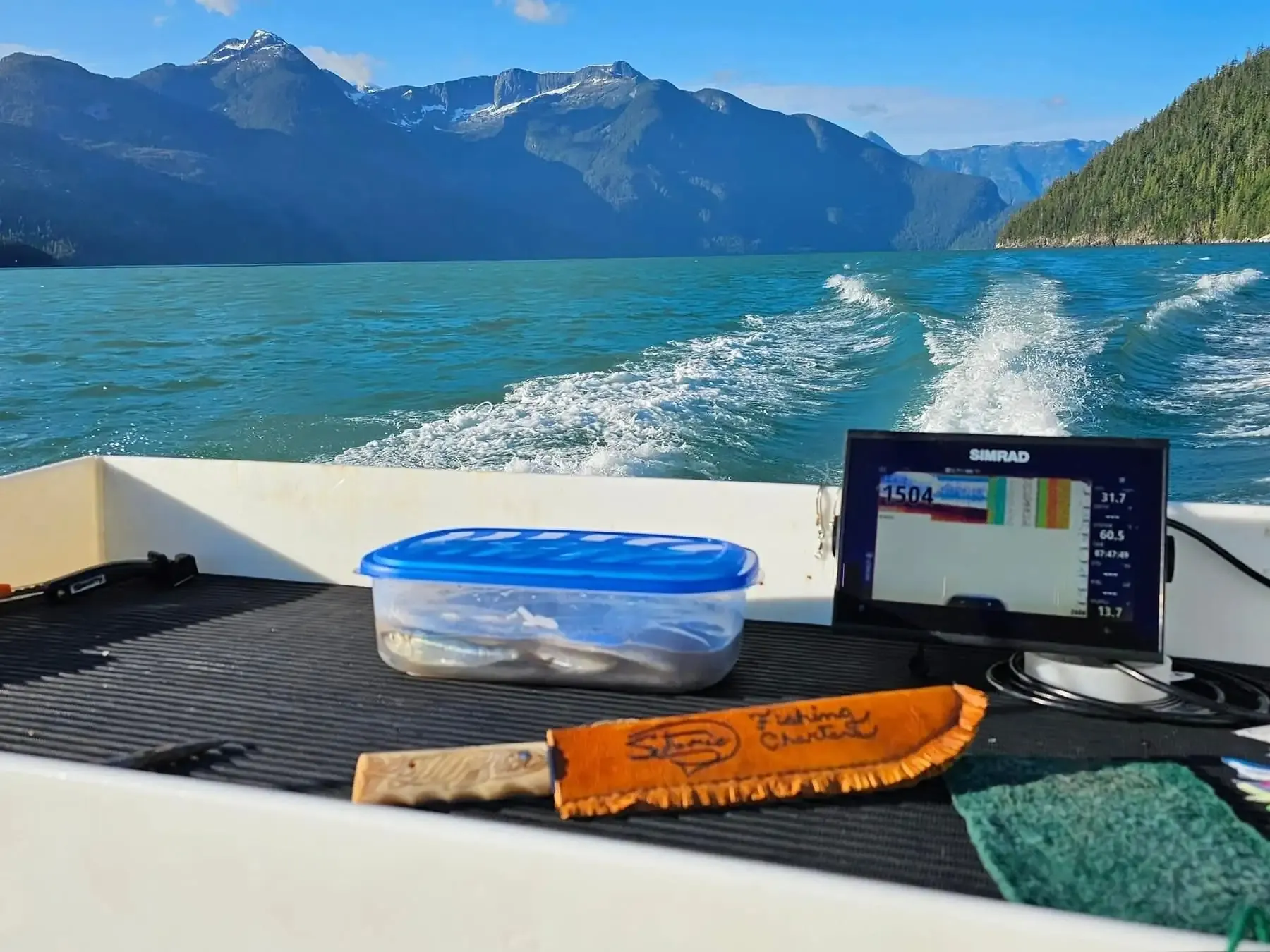
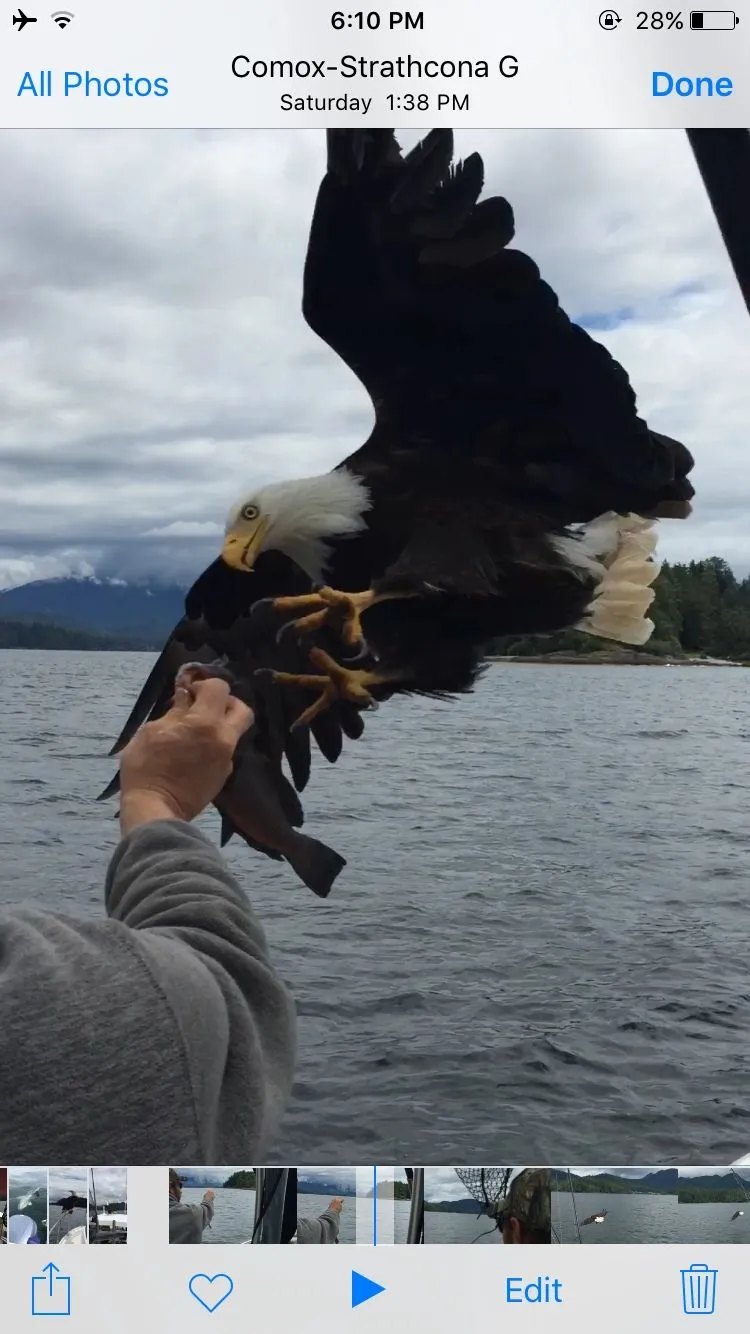
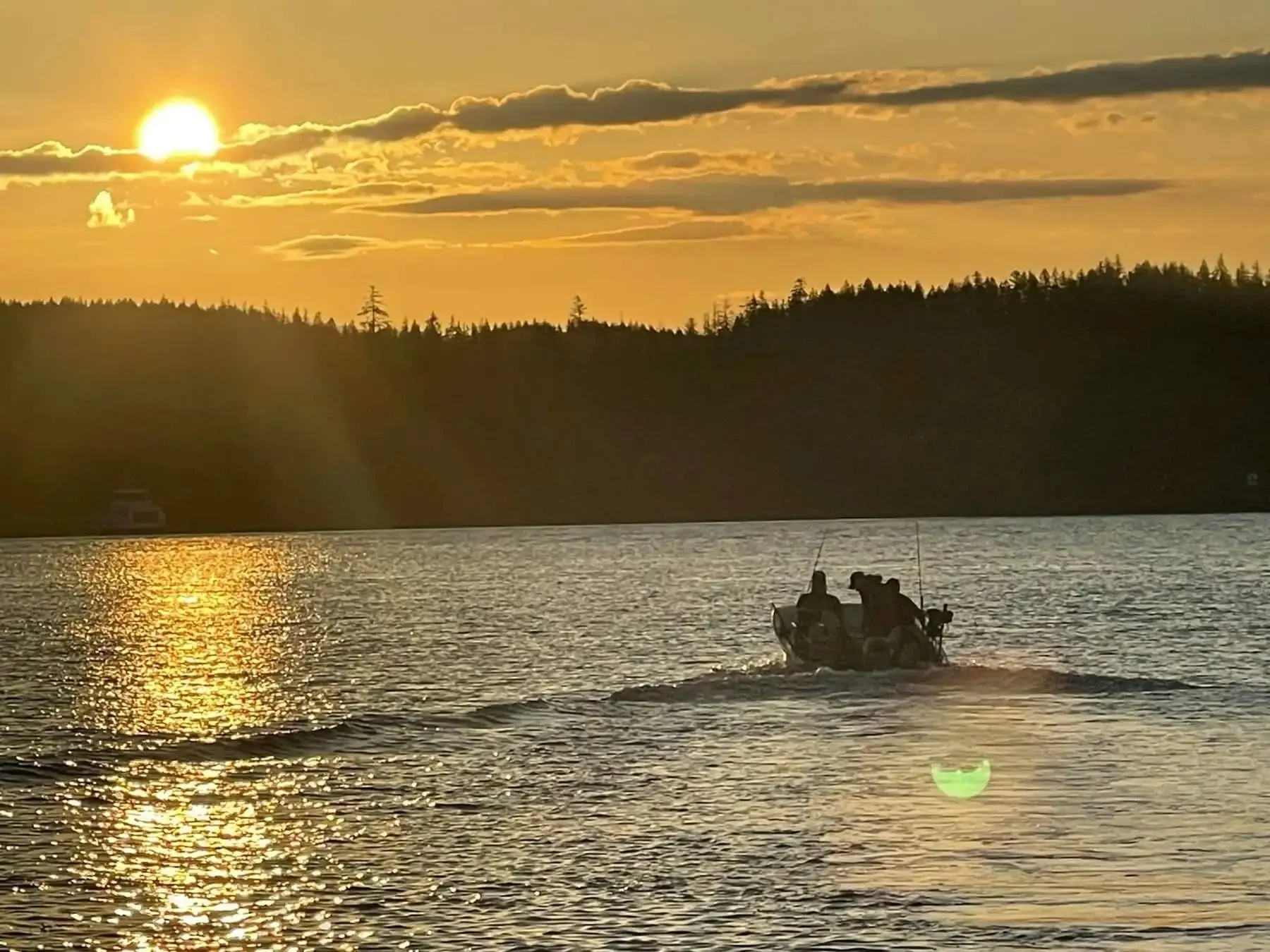
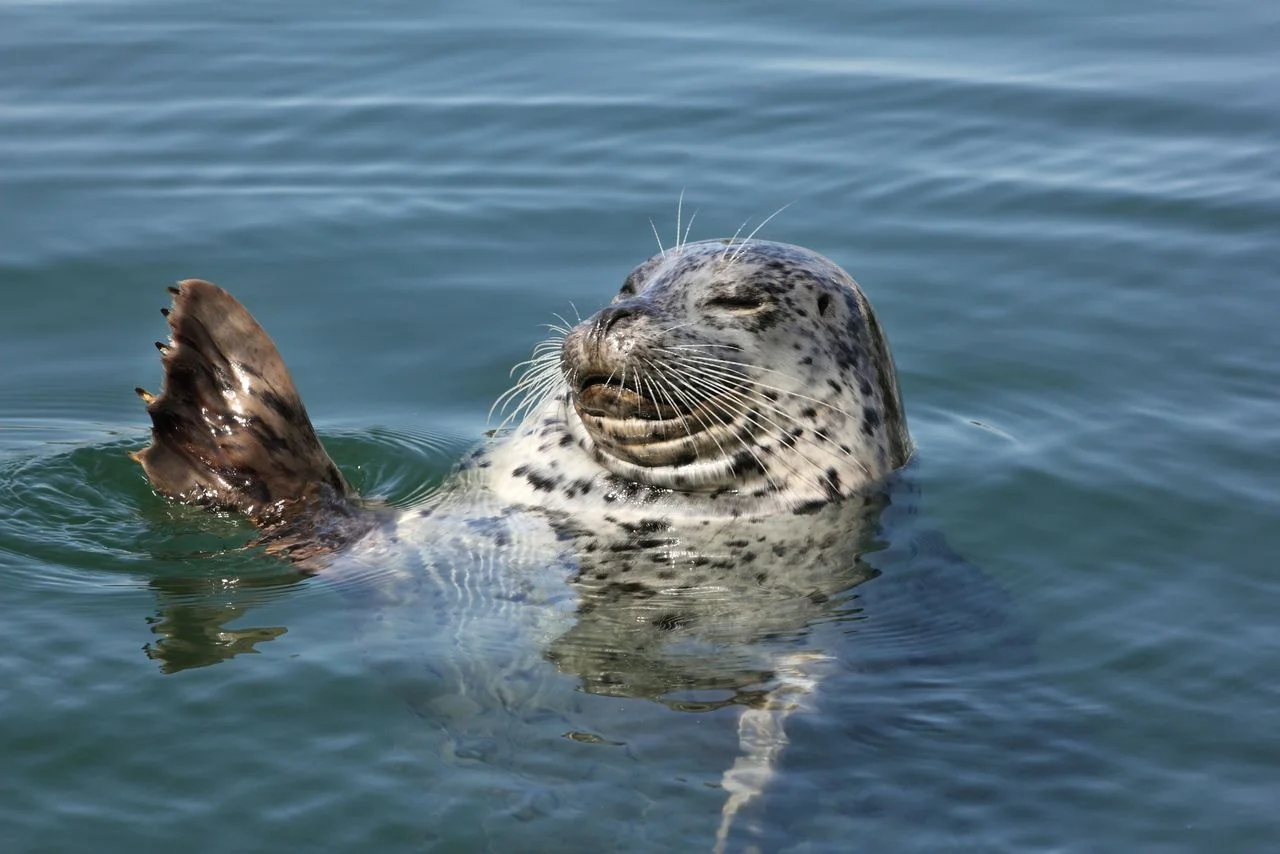
Our experienced Campbell River captain will navigate you safely through this incredible natural phenomenon while sharing the fascinating history of this important waterway. Watch for bald eagles, harbour seals, and other Vancouver Island wildlife drawn to the nutrient-rich waters of Discovery Passage.
Tour Highlights
What's Included
- Life Jackets & Safety Equipment
- Expert Guiding
- Cooler with Ice
- GPS, Fish Finder & Downriggers
What to Bring
- - Valid BC Tidal Water Fishing License (use FishingBC App)
- - Weather-appropriate clothing
- - Snacks and drinks
- - Sunscreen and sunglasses
- - Camera for photos
The Ripple Rock Explosion
On April 5, 1958, Canada executed the world's largest non-nuclear planned explosion in Seymour Narrows, just north of Campbell River. The target: Ripple Rock, a deadly twin-peaked underwater mountain that had claimed 114 ships and 114 lives since the 1800s.
Engineers tunneled 570 feet down through Maud Island and then 2,400 feet under the seabed to reach the twin peaks. They packed 1,375 tonnes of Nitramex 2H explosives into chambers carved beneath each peak.
At 9:31 AM, the detonation launched 635,000 tonnes of rock and water over 300 metres into the air. The blast was broadcast live on CBC television, one of Canada's first coast-to-coast live broadcasts.
Historic footage: The Ripple Rock explosion, April 5, 1958
Why It Matters to Fishermen
Today, Seymour Narrows is safe for navigation but the powerful tidal currents remain, funneling massive schools of salmon through this narrow passage. The explosion lowered the rock's peaks from 9 feet below the surface to a safe 45 feet, opening one of BC's most productive fishing corridors. This is now one of our prime fishing spots, best fished at slack tide when the currents ease.
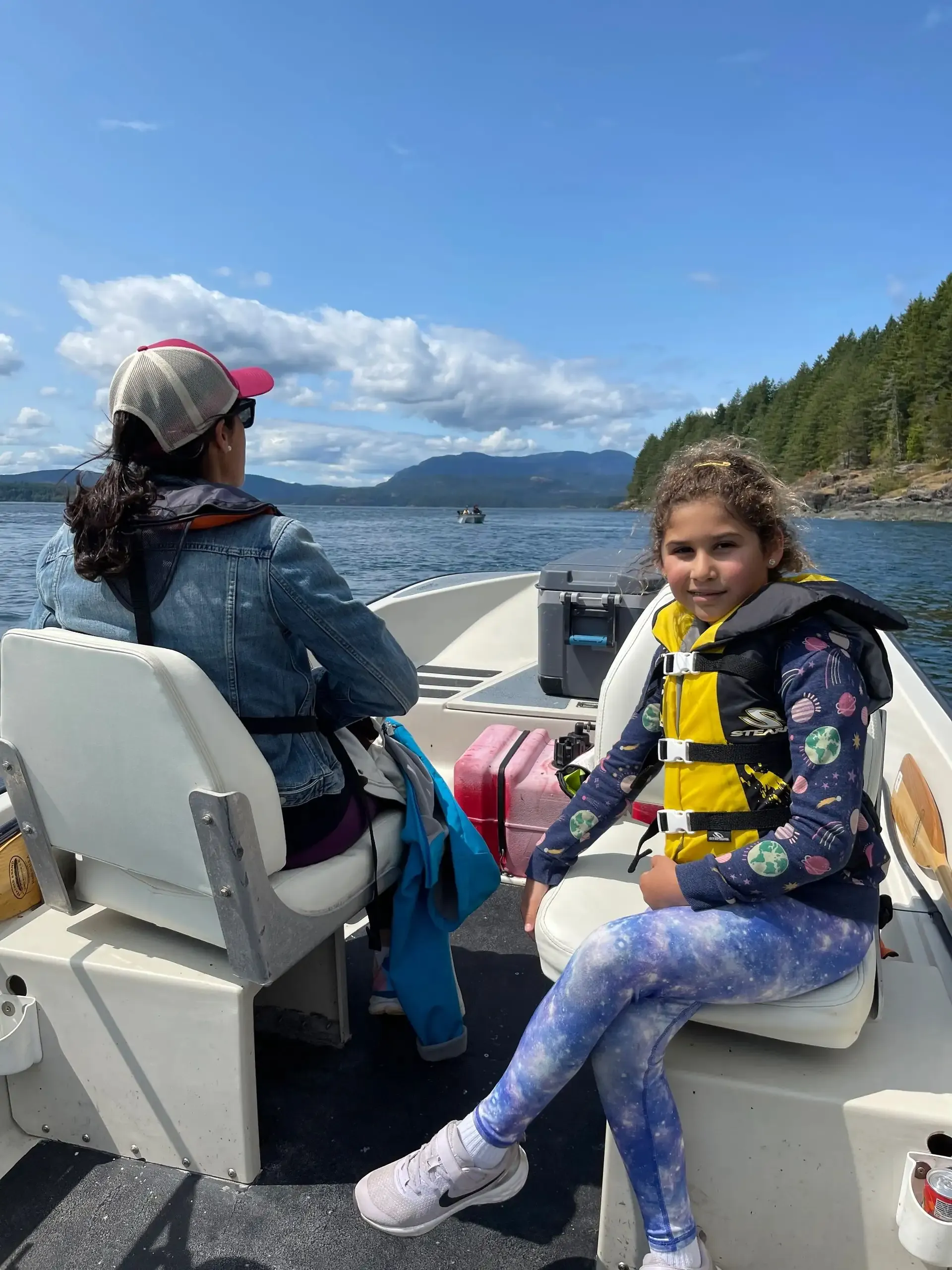
17' Boston Whaler Montauk
Our 17' Boston Whaler Montauk is the perfect vessel for introductory trips and wildlife tours. Its stable, unsinkable hull and open layout provide an intimate experience ideal for families and small groups exploring Campbell River's beautiful waters.
"The history of Ripple Rock and the incredible tidal currents were fascinating. Captain Jason is a natural storyteller. Highly recommend this unique tour."
Dr. Patricia Hayes
Nanaimo, BC
Seymour Narrows Tour
Seymour Narrows FAQs
Why is Seymour Narrows famous?
Seymour Narrows is one of the world's most famous tidal passages, with currents reaching up to 16 knots. It's also the site of the 1958 Ripple Rock explosion - the largest non-nuclear explosion ever detonated - which removed an underwater hazard that had sunk 114 ships.
Is it safe to navigate Seymour Narrows?
Yes, with an experienced captain. We time our tours to navigate during slack tide when currents are minimal. Our captain knows these waters intimately and has years of experience navigating the narrows safely.
When is the best time to see the tidal currents?
The most dramatic currents occur during large tidal exchanges. We can time your tour to witness the powerful currents from a safe distance, or navigate during slack tide for a calmer crossing. Let us know your preference when booking.
What wildlife might we see at Seymour Narrows?
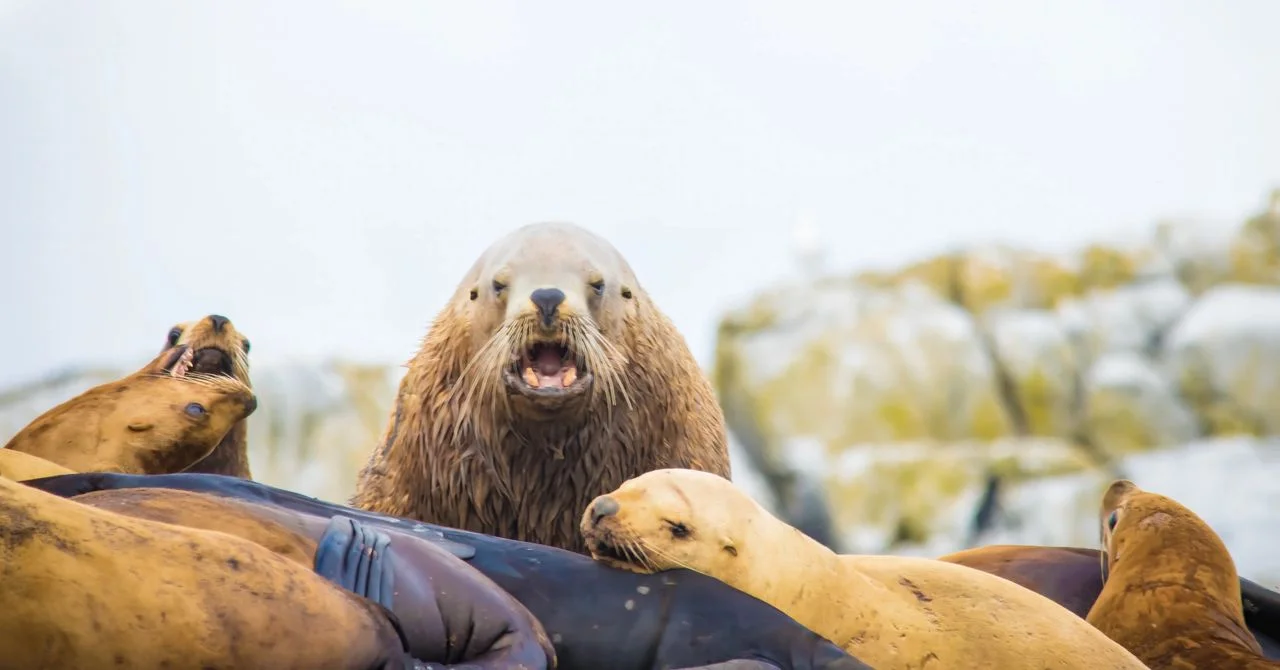
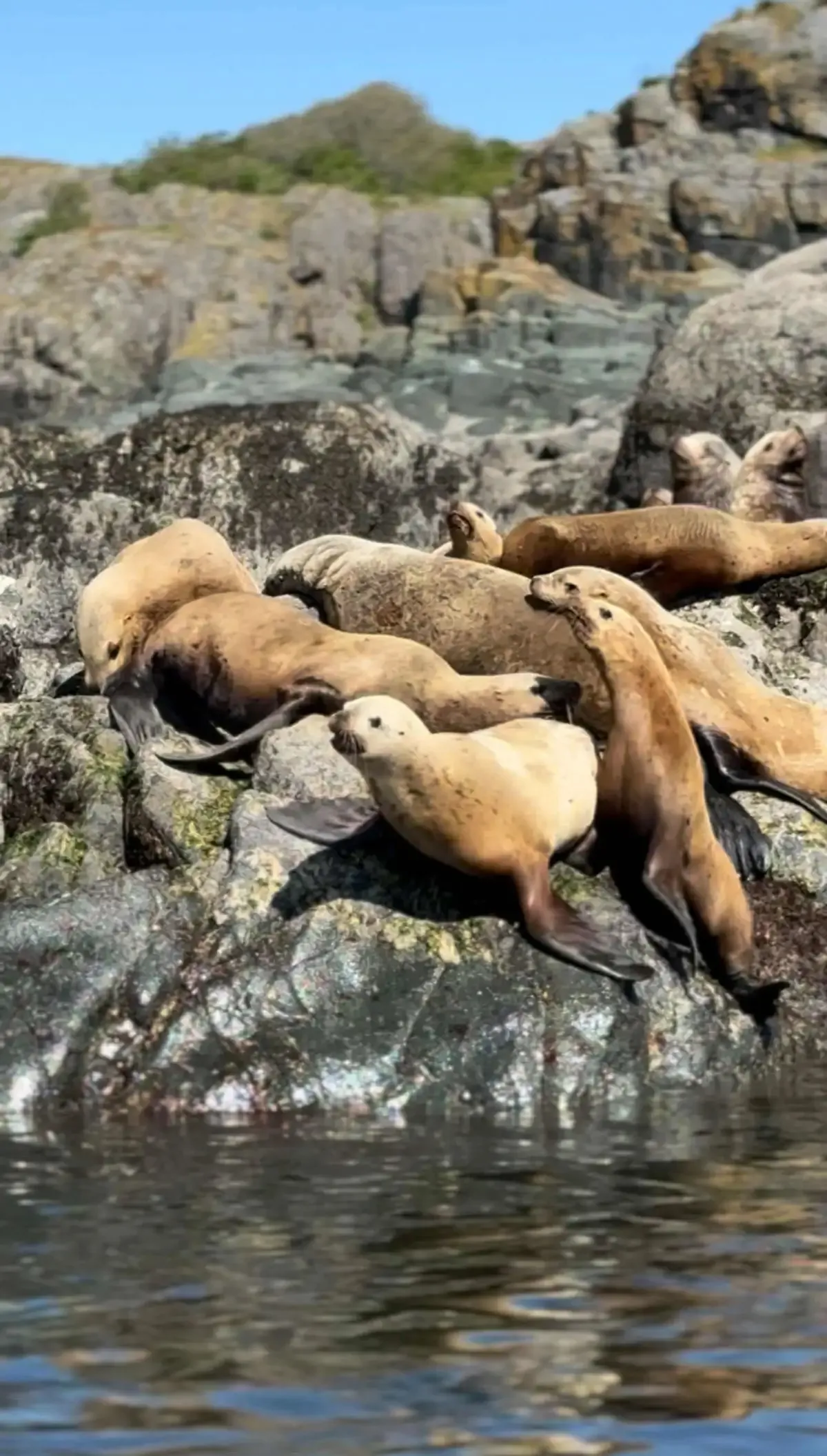
The nutrient-rich tidal waters attract diverse marine life. You may see harbour seals, bald eagles, and various seabirds. The currents bring fish, which in turn attract wildlife. Orcas occasionally transit through the narrows as well.
What is Ripple Rock and can we see it?
Ripple Rock was a deadly underwater mountain that caused 114 shipwrecks before its 1958 destruction. The explosion lowered the peaks from 9 feet below the surface to a safe 45 feet. We'll show you the exact location and share the fascinating history of this engineering marvel.
How rough are the waters at Seymour Narrows?
Conditions vary dramatically with tides. At slack tide, it's calm. During current, whirlpools and standing waves can form. We choose our timing carefully for safety and your comfort. Even in calm conditions, the scenery and history make this tour remarkable.
Other Wildlife Tours
Ready to experience Seymour Narrows?
Book your Campbell River boat tour and witness Vancouver Island's famous tidal currents